Search Results
Search results for "emotional awareness"
212 results found for "emotional awareness"
- Responding vs. Reacting
Behavior fueled by fear, emotional pain, anxiety, and unhealed wounds isn't a response—it's a reaction Think about the men and women we call firefighters, EMTs, paramedics, and police officers. It begins with emotional awareness and regulation.
- Masturbation, Emotional Growth, and Abundant Living
Our conversation delved into the often-taboo topics of masturbation, emotional health, and the life-changing Emotional Health: The Key to True Joy and Connection Our emotional well-being is crucial in our journey Matt shared a powerful story of transformation where a man learned to recognize and express his emotions This story underscores the importance of emotional maturity and its impact on our ability to live a life post has provided you with valuable insights and encouraged you to seek a deeper understanding of your emotional
- Emotional Intimacy in Addiction Recovery: How Experiencing Brotherly Love Can Help You Love a Woman
In addition, what they’ve learned about adult love oftentimes is skewed and swayed as their emotions can return to their romantic partners with a renewed sense of what’s possible in terms of depth and emotional As the therapist, I make it clear that emotional intimacy depends on honesty—the honesty and transparency Maybe not in physical abandonment per se, but at least in terms of emotional abandonment. In group therapy, while these same concerns may be there, there’s emotional safety in knowing the guys
- The Journey to Emotional Maturity: Navigating Grief, Fear, and Transformation
Stephen Cervantes and I dove into the intricate world of emotional maturity, self-awareness, and the Recognizing these patterns is the first step towards emotional maturity. What were the dominant emotional patterns in your family? How did your parents handle emotions? The Role of Grief in Emotional Growth Grief plays a crucial role in the journey towards emotional maturity Your efforts towards self-awareness and emotional growth will lead to a more fulfilling and authentic
- Addressing the Emotional Fallout of Parental Infidelity: Insights from Melissa Macomber
Macomber , shares her personal journey and professional insights as a therapist, shedding light on the emotional It's essential to validate these emotions rather than suppress them. Set Boundaries with Your Parents Establishing clear boundaries is vital for your emotional well-being Awareness and reflection are key to breaking these cycles and fostering healthier relationships. Conclusion Navigating the emotional fallout of parental infidelity is a challenging journey, but with
- Helping Men Practice Self-Awareness to Build Stronger Relationships
we’re diving into a topic that’s close to many of our hearts: improving relationships through self-awareness The Power of Self-Awareness in Relationships Understanding Self-Awareness Self-awareness is the foundation Actionable Steps to Enhance Self-Awareness Reflect on Your Reactions : Take time to think about how you Conclusion: The Journey to Deeper Connections Improving relationships through self-awareness is a journey Thank you for joining us on this exploration of self-awareness in relationships.
- Understanding Intimate Partner Betrayal: Insights, Healing, and the Power of Awareness
shine a light on the realities of betrayal, the journey to healing, and the importance of community and awareness Raising Awareness: Intimate Partner Betrayal Awareness Day Andrea’s passion led her to create Intimate Partner Betrayal Awareness Day, observed annually on August 4th. Support the Cause: Proceeds from certain products go toward raising awareness and supporting survivors Share this post, reach out for help, and join Andrea in making Intimate Partner Betrayal Awareness Day
- Sadness and Hope: The Dynamic Duo of Personal Growth
Children are not fully aware of societal expectations or the pressures that come with them. The Struggle for Comfort and Connection Emotional Struggles in Social Situations Dr. Acknowledge Pain: Allow yourself to feel and process emotional pain rather than avoiding it. Cervantes emphasizes that it is possible to experience both emotions simultaneously. Key Points: Simultaneous Emotions: Sadness and hope can coexist and complement each other.
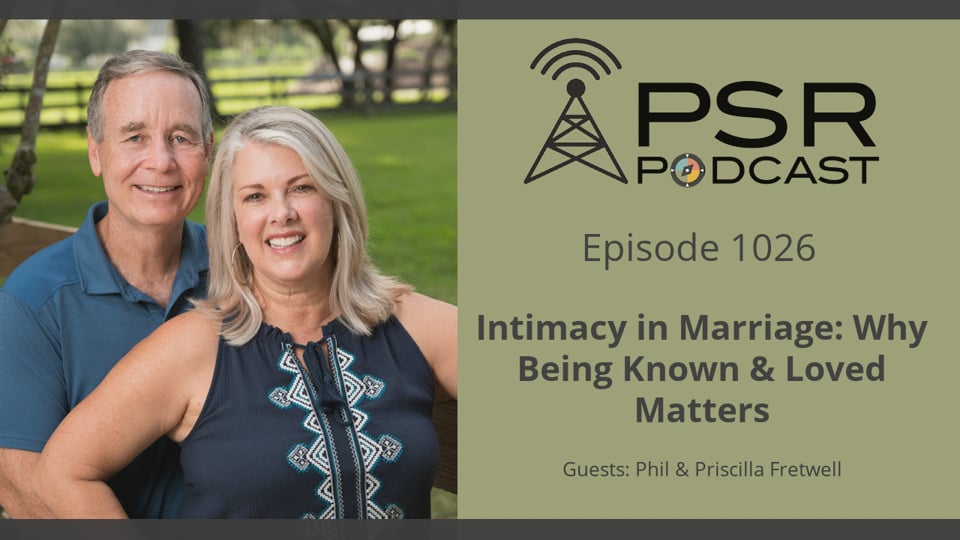
- The Pursuit of True Intimacy in Marriage: Lessons from Phil & Priscilla Fretwell
True intimacy encompasses: Emotional Connection: Sharing your fears, dreams, and struggles without fear Key Insights: Activity ≠ Intimacy: Date nights and family outings are great, but they don’t guarantee emotional Actionable Steps: Journal about your family’s approach to emotions and secrets. They also had to address emotional wounds directly. Priscilla highlighted how singles also need spiritual and emotional connection, and how the church can
- The Deepest Desires of the Human Heart: How to Seek Fulfillment Without Placing Unrealistic Demands on Others
I’m excited to dive into a conversation that’s close to my heart—a topic that Stephen Cervantes and I recently explored on the podcast. We unpacked the deep, God-given desires of the human heart: to be fully known, fully loved, fully forgiven, fully enjoyed, and fully celebrated. But we also wrestled with a crucial distinction: what happens when we turn these desires into needs that we expect other people to meet? Click the image above to watch the episode. If you’ve ever felt disappointed, frustrated, or even angry because someone didn’t “love you enough” or “understand you fully,” this post is for you. Let’s break down the nuances of these desires, why they matter, and how to pursue healthy, abundant relationships without falling into the trap of unrealistic expectations. Understanding the Deepest Desires of the Heart What Are These Desires? At our core, every one of us longs to be: Fully Known: To have someone see us—our strengths, weaknesses, quirks, and secrets—and still accept us. Fully Loved: To be cherished, valued, and embraced, not just for what we do, but for who we are. Fully Forgiven: To experience grace and mercy, especially when we fall short. Fully Enjoyed: To bring joy to others simply by being ourselves. Fully Celebrated: To be affirmed, honored, and delighted in. These aren’t superficial wants. They’re woven into the fabric of our souls. As Stephen put it, “I want to be seen, affirmed, and bring joy to others. I want to be loved so completely that someone would lay down their life for me, just like Jesus did.” Desires vs. Needs: Why the Distinction Matters Here’s where things get tricky. It’s one thing to desire these things; it’s another to need them from other people. When we cross that line, we set ourselves—and our relationships—up for disappointment. The Problem with Turning Desires into Needs Unrealistic Expectations: No human can fully know, love, or forgive us. Expecting this leads to frustration. Pressure on Relationships: We burden spouses, friends, or pastors with demands they can’t possibly meet. Self-Focus: Our relationships become about “me and my needs,” rather than mutual love and growth. Disappointment and Resentment: When others inevitably fall short, we feel let down or even angry. The Spiritual and Earthly Realms: Where Fulfillment Truly Comes From Only God Can Fully Meet These Desires Let’s be honest: the word “fully” is a God-word. Only God can know us completely, love us perfectly, forgive us entirely, and celebrate us without reservation. As humans, we’re limited. We can love and forgive abundantly, but never fully. Biblical Perspective Psalm 37:4: “Delight yourself in the Lord, and He will give you the desires of your heart.” Romans 5:8: “But God demonstrates his own love for us in this: While we were still sinners, Christ died for us.” God is the only one who can meet the deepest longings of our hearts. He knows every thought, every fear, every hope. He loves us with a love that never fails. The Role of Human Relationships Does this mean we shouldn’t seek love, forgiveness, or celebration from others? Not at all! God designed us for community. But we need to adjust our expectations: Abundant, Not Fully: People can love and forgive us generously, but not perfectly. Growth Over Perfection: Our capacity to love and forgive can increase over time, but it will always fall short of God’s standard and ability. Grace for Imperfection: We must give others (and ourselves) grace for the ways we fall short. Actionable Tips for Healthy, Fulfilling Relationships Let’s get practical. How do we live this out? Here are the key insights from our conversation, broken down into actionable steps: 1. Recognize and Name Your Desires Start by acknowledging your deep desires. Don’t shame yourself for wanting to be known, loved, forgiven, enjoyed, and celebrated. These are God-given longings. Action Steps: Journal about which desires feel most unmet in your life. Pray honestly about your longings, inviting God into those places. 2. Distinguish Between Desires and Needs Ask yourself: Am I expecting someone else to fully meet this desire? Or am I open to receiving abundant love and forgiveness, knowing only God can fulfill me completely? Action Steps: When you feel disappointed in a relationship, pause and reflect: “Was I expecting this person to be God for me?” Practice gratitude for the love and forgiveness you do receive, even if it’s imperfect. 3. Set Realistic Expectations in Relationships No one can be your everything. Your spouse, friend, or pastor can’t fully know or love you. They can, however, love you abundantly within their human limits. Action Steps: Communicate openly about your needs, but with humility and grace. Celebrate the ways your loved ones show up for you, rather than focusing on what’s missing. 4. Embrace the Growth Journey We’re all in process. Today, you might be able to love someone 37%. Tomorrow, maybe 38%. The goal isn’t perfection, but growth. Action Steps: Reflect regularly on how you’re growing in your capacity to love and forgive. Encourage others in their growth, rather than demanding perfection. 5. Let God Be Your Source Ultimately, only God can fully satisfy your heart. Spend time with Him. Let His love, forgiveness, and celebration of you fill the deepest places. Action Steps: Meditate on Scriptures that speak of God’s love and knowledge of you (e.g., Psalm 139, Romans 8). Practice spiritual disciplines—prayer, worship, solitude—to deepen your connection with God. 6. Use Relationships as a Reflection, Not a Replacement God often uses people to show us glimpses of His love and forgiveness. When someone forgives you or celebrates you, let it point you back to God’s perfect love. Action Steps: When you experience grace from another person, thank God for using them as a vessel. Share stories with others about how God has loved you through people. 7. Beware of Turning Tools into Demands As we discussed, even helpful frameworks like the Five Love Languages (paid link) can become problematic if we use them to demand love in a certain way. Action Steps: Use relationship tools as guides, not ultimatums. Focus on giving love as much as receiving it. Expert Insights: Navigating the Tension Stephen and I both agree: the tension between desire and expectation is where growth happens. Here are some nuanced takeaways: It’s Not Wrong to Want More: Longing for deeper connection is healthy. The problem arises when we demand it from people who can’t give it. Abundant Love Is Enough: Instead of chasing “fullness” from others, celebrate the abundance you do receive. God’s Love Is the Anchor: When human love falls short, let it drive you deeper into God’s embrace, not into bitterness or self-pity. Final Thoughts: Resting in God’s Fullness, Growing in Abundant Love Friend, your heart’s deepest desires are real and good. But only God can meet them fully. As you delight yourself in Him, you’ll find the fulfillment you crave—and you’ll be freed to love others abundantly, without demanding perfection. Let’s rest in the truth that we are God’s beloved children, fully known and loved by Him. And let’s commit to growing in our capacity to love, forgive, enjoy, and celebrate one another—abundantly, even if not fully. If you’re on this journey and want to talk more, reach out. We’re here to help you take your next best step toward wholeness in Christ. Until next time, may you experience the peace and joy that comes from being fully known and fully loved—by God, and by those He’s placed in your life. Want more? Subscribe to the podcast, share your thoughts in the comments, or connect with us directly. Let’s keep growing together!
- Expectations in Marriage: A Deep Dive into Assumed vs. Discussed Expectations
Assumptions can lead to emotional turmoil when they are not met, resulting in conflicts that could have
- Embracing Failure and Finding Sanctuary in Solitude with God
In this podcast episode, we explore the complex emotions surrounding failure, offering valuable insights Understanding the Emotional Impact of Failure The Pain of Failure Dr. He candidly shares that he hates failing in his flesh, emotions, and history, acknowledging the weight Spiritual Strength Over Emotional Distress Stephen reflects on the emotional intensity of failure, noting their emotional turmoil and avoid falling into a cycle of self-hatred.